
Infertility, generally defined as the inability to conceive after a year of regular unprotected intercourse, affects both men and women and can result from ovulation disorders, blocked or damaged fallopian tubes, endometriosis, uterine conditions, low sperm count or quality, or unexplained causes. Evaluation typically involves a review of medical history, hormone testing, ultrasound, and imaging of the uterus and tubes to pinpoint the cause before choosing a treatment path.
Assisted reproductive technology (ART) covers the range of treatments used to help patients conceive when natural conception has not succeeded:
Ovulation induction and IUI (intrauterine insemination)
Medications stimulate egg development, and prepared sperm is placed directly into the uterus around the time of ovulation.
In vitro fertilization (IVF)
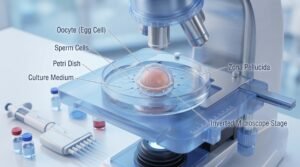
Eggs are retrieved from the ovaries and fertilized with sperm in a laboratory; the resulting embryo is transferred into the uterus.
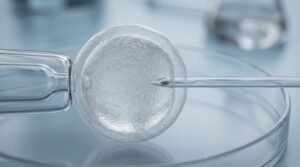
Intracytoplasmic sperm injection (ICSI)
A single sperm is injected directly into an egg, commonly used alongside IVF for male-factor infertility.
Egg, sperm, and embryo freezing
Reproductive material is preserved for future use, including for patients delaying childbearing or facing fertility-affecting medical treatment.
Donor eggs, sperm, or embryos, and gestational surrogacy
Options for patients who cannot conceive using their own eggs, sperm, or uterus.