
Laparoscopic surgery, often called “keyhole” surgery, is a minimally invasive technique in which a gynecologic surgeon views and operates on the pelvic organs through a few small abdominal incisions rather than one large opening. A thin, lighted scope (the laparoscope) is inserted through one incision to project a magnified view of the pelvis onto a monitor, while slender instruments passed through the other incisions perform the actual surgery. Compared with traditional open surgery, laparoscopy generally means less pain, smaller scars, a lower risk of infection, and a faster return to normal activity.
Laparoscopy is used both to diagnose unexplained pelvic pain or infertility and to treat a wide range of gynecological conditions. Below is an overview of the conditions most commonly managed this way.
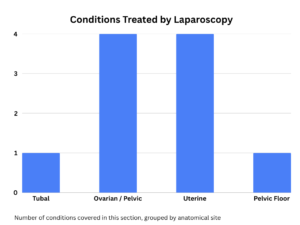
Overview of gynecological conditions commonly treated with laparoscopic surgery
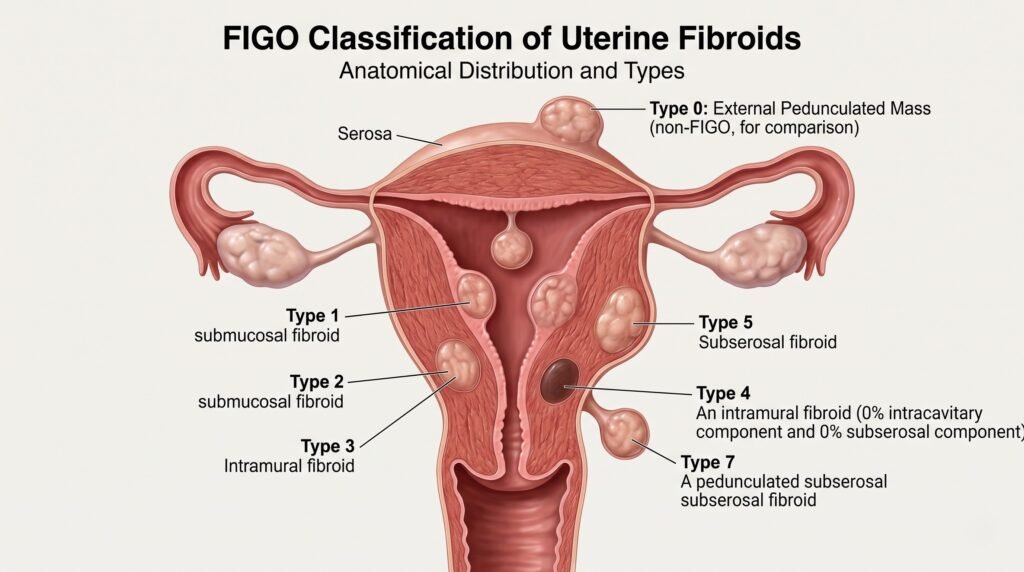
Uterine fibroids
Fibroids are noncancerous growths that develop in or on the wall of the uterus. Depending on their size and location, they can cause heavy periods, pelvic pressure, or fertility problems. Laparoscopic myomectomy removes the fibroids while preserving the uterus.
Endometriosis
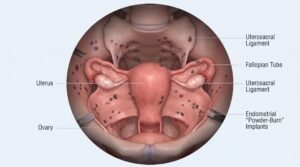
In this condition, tissue similar to the uterine lining grows outside the uterus, commonly on the ovaries, fallopian tubes, or pelvic lining. It can cause chronic pelvic pain, painful periods, and infertility. Laparoscopy is both the standard way to confirm the diagnosis and the way excess tissue and scarring are removed.
Ovarian cysts and masses
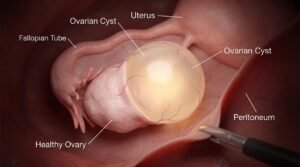
Fluid-filled or solid growths on the ovary are often monitored, but cysts that are large, persistent, or suspicious are removed laparoscopically (cystectomy), usually while preserving healthy ovarian tissue.
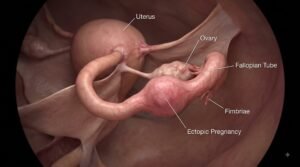
Ectopic pregnancy
When a fertilized egg implants outside the uterus, most often in a fallopian tube, the pregnancy cannot continue safely and the tube may rupture. This is a medical emergency, and laparoscopic surgery is used to remove the ectopic pregnancy and repair or remove the affected tube.
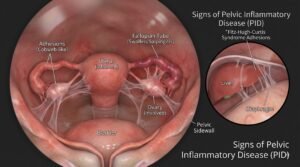
Pelvic inflammatory disease (PID) and adhesions
Untreated pelvic infection can lead to scar tissue (adhesions) binding the pelvic organs together, causing chronic pain and blocked tubes. Laparoscopy allows the surgeon to divide adhesions and drain any infected collections.
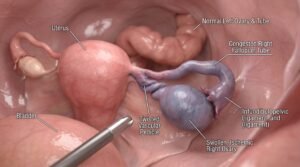
Adnexal torsion
This occurs when an ovary, and sometimes its fallopian tube, twists on its supporting tissue, cutting off its blood supply. It causes sudden, severe pelvic pain and is treated urgently with laparoscopic untwisting and, if needed, cyst removal to prevent recurrence.
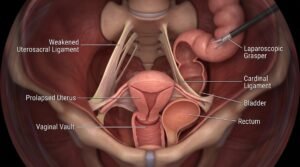
Pelvic organ prolapse
When weakened pelvic floor support allows the uterus, bladder, or bowel to descend into the vagina, laparoscopic procedures such as sacrocolpopexy can resuspend the organs using the surgeon’s fine, magnified view of the pelvis.
Chronic pelvic pain of unclear cause
When pain persists despite normal scans, diagnostic laparoscopy lets the surgeon directly inspect the pelvis for endometriosis, adhesions, or other causes that imaging alone cannot always detect.
Tubal factor infertility
Blocked, damaged, or scarred fallopian tubes are a common cause of infertility. Laparoscopy can assess tubal patency and, in some cases, repair the tubes (tuboplasty).
Sterilization
Laparoscopic tubal ligation permanently closes, clips, or removes the fallopian tubes for those who have decided their family is complete.
Laparoscopy is used both to diagnose unexplained pelvic pain or infertility and to treat a wide range of gynecological conditions. Below is an overview of the conditions most commonly managed this way.